
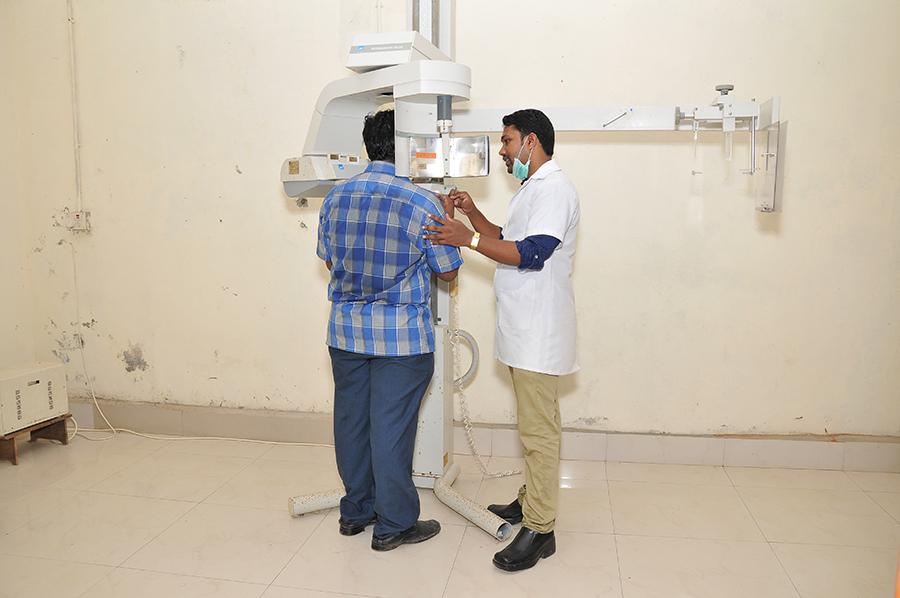
Diagnostic dental radiology plays a crucial role in modern dental practice by enabling accurate detection, diagnosis, and treatment planning of oral diseases. Techniques such as intraoral radiographs, panoramic imaging, and cone-beam computed tomography (CBCT) allow clinicians to visualize structures that are not clinically evident, including early carious lesions, periapical pathology, bone levels, and impacted teeth. This aids in timely intervention, improves treatment outcomes, and minimizes complications. Additionally, radiology is essential in implant planning, orthodontics, endodontics, and maxillofacial assessment, making it an indispensable tool for delivering safe, precise, and evidence-based dental care.
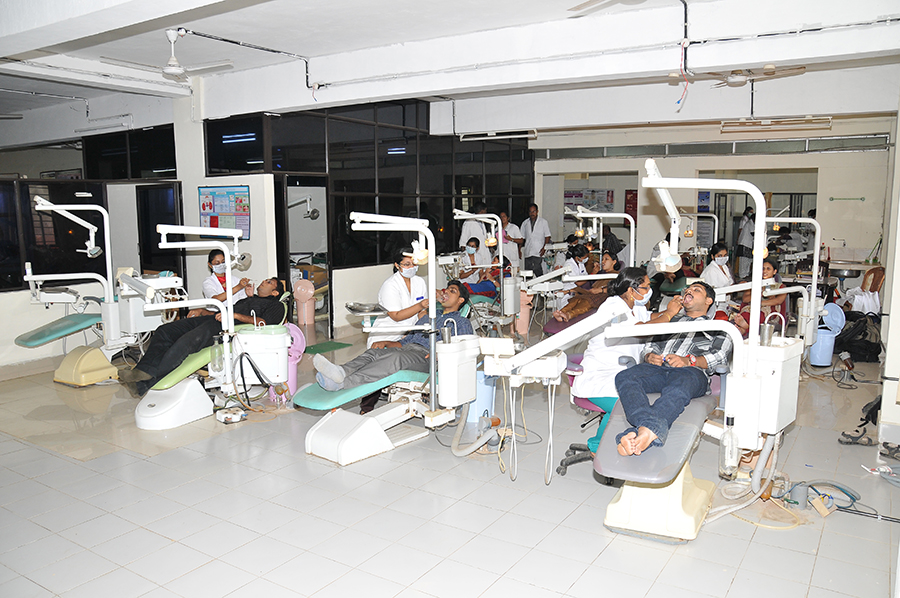
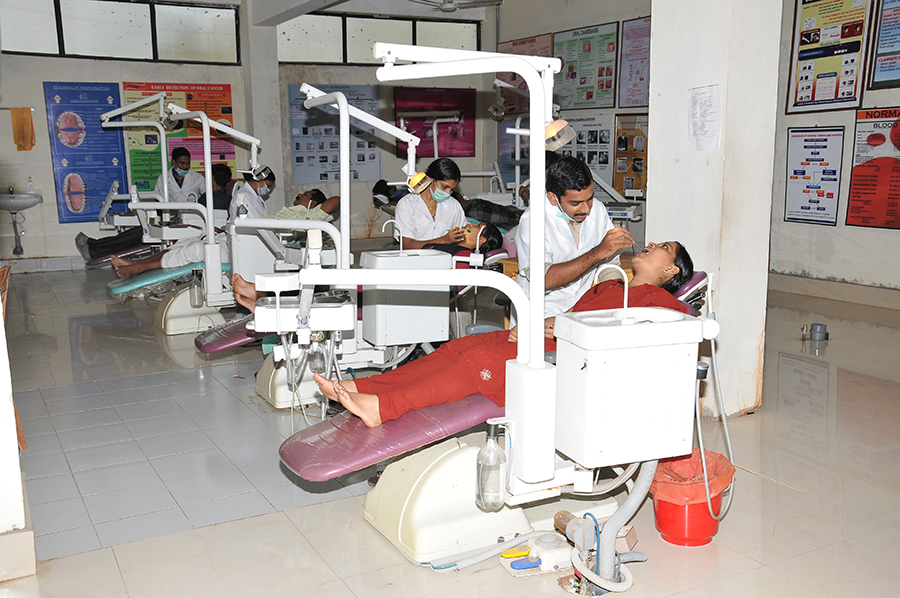
Oral medicine is a dental specialty dealing with complex, non-surgical conditions of the mouth, jaw, and surrounding tissues. Think of it as a bridge between oral health and overall health. Oral medicine specialists diagnose and manage a variety of issues beyond routine dentistry, such as persistent mouth sores, salivary gland problems, oral signs of diseases like diabetes, fungal infections, and even pre-cancerous lesions. They also tackle chronic facial pain like TMJ disorders and manage medication side effects in the mouth. Their expertise comes from additional training beyond dental school, allowing them to perform in-depth examinations, interpret diagnostic tests, develop treatment plans, and educate patients on maintaining oral health and managing their conditions. Essentially, oral medicine specialists offer a vital service for patients with complex oral issues, improving their quality of life and overall well-being.
Vision:
To be a center of excellence in early diagnosis, prevention, and management of oral and
maxillofacial diseases using advanced diagnostic tools and radiology.
Mission:
Provide accurate and ethical diagnosis through clinical and radiographic expertise.
Train students in comprehensive diagnostic approaches.
Promote research in imaging technologies and oral disease patterns.
Core Values:
Accuracy • Compassion • Integrity • Innovation • Lifelong learning
On completion of the undergraduate training programme the graduate should:
➢ Be able to identify the common dental problems like dental caries and periodontal
disease and their sequelae
➢ Be able to differentiate the normal variations and oral mucosal lesions
➢ Be able to identify pre cancerous and cancerous lesions of the oral cavity and refer to
the concerned specialty for their management.
➢ Have an adequate knowledge about common laboratory investigations and
interpretation of their results.
➢ Have adequate knowledge about medical complications that can arise while treating
systemically compromised patients and take prior precautions/ consent from the
concerned medical specialist.
➢ To formulate a clinical diagnosis, order investigations, seek expert consultations to
come to a final diagnosis and chart out a proper treatment plan for patients with oral
lesions.
➢ Have adequate knowledge about radiation health hazards, radiation safety and
protection.
➢ Be competent to take intra-oral radiographs and interpret the radiographic findings
➢ Gain adequate knowledge of various extra-oral radiographic procedures, TMJ
radiography and sialography.
➢ Be aware of the importance of intra- and extra-oral radiographs in forensic
identification and age estimation.
➢ Be familiar with jurisprudence, ethics and understand the significance of dental
records with respect to law.
1.Knowledge and diagnosis of the etiology, pathogenesis, clinical
presentation and diagnosis of, bone and soft tissue lesions.
2.Knowledge and applications of Radiography in dental practice along with
radiation protection and effective clinical usage of the different
radiographic techniques.
3.Knowledge and understanding of the systemic diseases and impact on
oral health.
4.Demonstration of clinical skills in the management of mucosal lesions.
5.Methodology of exposure and interpretation of dental radiographs.
6.Knowledge and application of dental treatment planning in patients with
systemic disorders.
7.Consolidate all above-mentioned major competencies acquired during the course and integrate newer evidence
based principles in displaying expertise in the science of oral medicine.
8.Ability to critically appraise their own performance and articulate the improvements required to attain perfection in
EPA’s performed during the course.
Sri Sankara
Typically replies within an hour
Can I know more about the courses?
WhatsApp Us
🟢 Online | Privacy policy
WhatsApp us